Home › News › Why Did My Car Insurance Go Up With No Accidents?
Why Did My Car Insurance Go Up With No Accidents?
Short answer: Usually because of something that is not about your driving. Insurers can raise rates for everyone in a state when claim, repair and parts costs rise, and your own price can also change when a discount drops off or a rating factor on your policy changes. Compare your old and new declarations pages, then ask the insurer for the exact reason. State rules vary.
Key takeaways
- A clean record does not freeze your price
- Statewide rate increases hit every policyholder, not just you
- Lost discounts and policy changes are common hidden causes
- Compare old vs new declarations pages line by line
- Ask for the reason in writing, then shop around before renewal
You went a whole year without a crash or a ticket, and the renewal still came in higher. State insurance departments get this question often enough that several publish an answer, and the reason is usually on paper.
In short, a clean record lowers your risk compared with other drivers, but it does not freeze your price. Your premium is your insurer's rate for drivers like you, times the details of your own policy. Either side can move.
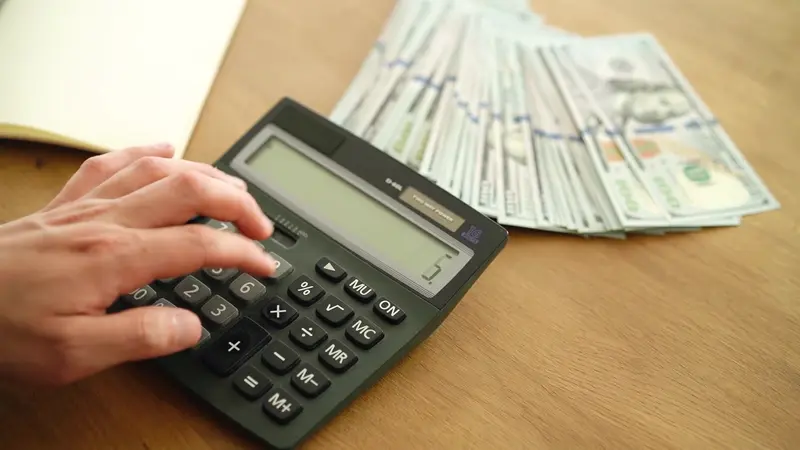
Why a clean record does not lock in your price
Auto insurance prices are built from rating factors. The Insurance Information Institute lists the common ones: driving record, how much you drive, where the car is kept, age, the vehicle, credit-based insurance score in states that allow it, and the coverage, limits and deductibles you pick. Driving record is only one line on that list.
There are two broad reasons a renewal goes up without an accident:
- The insurer's base rate changed. The Maryland Insurance Administration explains that general rate increases happen because insurers face rising costs and inflation, higher repair and parts costs and higher used-car values. These increases apply across a book of business, not to one driver.
- Something about your policy changed. The Connecticut Insurance Department notes that losing a discount can raise a premium, and that changes in factors like location, vehicle, driving record and credit history can change what you pay.
Watch the 32-second video explainer
Source: Automobile Insurance Rates, Maryland Insurance Administration, November 5, 2026. Basic facts are summarized from that report; this explainer is our own writing.
Which kind of increase is it? A quick decision helper
Use your old and new declarations pages to sort the cause before you call anyone.
| What you see | Likely cause | What to do |
|---|---|---|
| Every coverage line is up by a similar share, nothing else changed | Statewide or company-wide rate change | Ask the insurer to confirm, then compare quotes |
| A discount line is gone or smaller | Lost discount (paperless, autopay, multi-car, good student, safe-driver, telematics) | Ask why and whether you can requalify |
| A new driver, car or address appears | Your own rating change | Check that the change is correct |
| Higher limits or a lower deductible than last year | Coverage change | Decide if you still want it |
| A surcharge line you do not recognize | Possible error or a record you did not know about | Ask for the record it is based on, in writing |
If nothing on the page explains it, call and ask. You are entitled to understand what you are paying for, and most insurers can tell you which factor moved.
Step-by-step: find the reason for your increase
- Pull last year's declarations page and the new renewal declarations page.
- Compare drivers, vehicles, garaging address, use (commute, pleasure, business) and annual mileage.
- Compare each coverage: liability limits, collision and comprehensive deductibles, UM/UIM, PIP or MedPay, rental and towing.
- Compare the discount list line by line. Note any discount that disappeared or shrank.
- Look for new surcharges and the date of any violation or claim they refer to.
- Call or message your insurer or agent and ask which factor caused the change. Ask for it in writing.
- If it was a general rate increase, ask when it took effect. Many states publish insurer rate filings, as the Oklahoma Insurance Department points out.
- Fix any error, requalify for discounts you lost, and get a few comparison quotes before the renewal date.
A message you can send your insurer
Request for an explanation of my renewal premium
Hello,
My policy number is [policy number]. My renewal premium for the term starting [date] is [new amount], up from [old amount]. I had no accidents, claims or tickets during the past term.
Please tell me, in writing:
1. Which rating factors or rate changes caused the increase.
2. Whether any discount was removed or reduced, and why.
3. Whether any surcharge was added, and the record it is based on.
4. Whether a general rate change was filed in my state, and its effective date.
Thank you,
[Your name]
[Phone or email on file]
Keep it short and factual. If the reply does not add up, your state department of insurance takes consumer complaints and can explain how rates are regulated where you live.
The usual hidden causes
- A discount ended on schedule. Some discounts last a set number of terms or depend on something you stopped doing, like autopay or paperless billing.
- A new driver in the household. Adding a teen or another adult driver often changes the price.
- A move, even across town. Location is a major rating factor, often down to ZIP code where the state allows it.
- A different car, or the same car worth more. Repair costs and vehicle values affect collision and comprehensive.
- Credit-based insurance score. Where allowed, a change in your credit history can change your score and your price. Some states limit or ban this. Ask your insurer whether it was used.
- A ticket or claim you forgot. A not-at-fault or comprehensive claim, or a ticket in another state, can still show up.
Common mistakes
- Assuming the insurer made a mistake before checking the declarations page.
- Cutting coverage you need just to bring the price back down. See our guide on whether state-minimum liability is enough.
- Letting the policy lapse while you shop. A gap can cause bigger problems; read what happens if insurance lapses before a crash.
- Mixing this up with an at-fault surcharge. If you did have a claim, our guide on car insurance rates after an accident covers how that usually works.
Is your auto coverage ready for the next renewal?
If your premium went up and you want to see what else is out there, compare options before the renewal date. Prices and rules vary by state and insurer. Compare free quotes by phone at (833) 567-5929.
FAQ
Can my insurance go up even if I have never filed a claim?
Yes. Insurers can raise base rates for everyone in a state when costs rise, and your own price can change when a discount or rating factor changes. A clean record still helps you compared with drivers who have claims.
Is a general rate increase legal?
In most states insurers file rates with the state insurance department, and rates are reviewed under state law. The process differs by state. Your department of insurance can explain how it works where you live.
Will switching insurers fix it?
Sometimes. Each insurer uses its own rates and factors, so another company may price you differently. Compare the same limits and deductibles so the quotes are fair to each other.
Can I ask my insurer exactly why my rate went up?
Yes. Ask which factors or rate changes caused it, and ask for the answer in writing. You can use the message template above.
Does a not-at-fault accident raise my rates?
It depends on the state and the insurer. Some states limit surcharges for accidents you did not cause. Ask your insurer how it treats not-at-fault and comprehensive claims.
Does my credit affect my car insurance price?
In many states insurers may use a credit-based insurance score as one factor. Some states limit or prohibit it. Check with your insurer or your state department of insurance.
My car is older. Why did collision go up?
Repair and parts costs, not just the car's value, drive collision pricing. When those costs rise, collision and comprehensive can go up even for an older car. Consider whether those coverages and deductibles still fit the car.
When should I start shopping before renewal?
Most insurers send the renewal notice before the new term starts. Use that window to check the reason and compare quotes, so you never have a gap in coverage.
Sources
- Maryland Insurance Administration: Automobile Insurance Rates
- Connecticut Insurance Department: Consumer Notice on auto premiums (June 26, 2024)
- Oklahoma Insurance Department: FAQs
- Insurance Information Institute: What determines the price of an auto insurance policy?
- Texas Department of Insurance: Auto insurance guide
Reviewed and updated .
Important: This article is general information, not legal, tax, or insurance advice, and coverage rules vary by state, insurer, and policy. AutoInsuranceBundle.pro is a free, independent insurance comparison and referral service. We are not an insurance company, we do not issue policies, and we do not provide insurance advice. Calls to the number on this site are routed to licensed insurance agents or agencies in our partner network, who may receive compensation. Calling is completely voluntary and there is no obligation to buy. Rates, discounts, and availability vary by carrier, state, and individual eligibility; not all carriers, products, or discounts are available in all states. Calls may be recorded for quality and compliance purposes.
Related reading
- Will Your Car Insurance Go Up After an Accident? How Surcharges Work and What You Can Do
- Pennsylvania Limited Tort vs. Full Tort: What Your Choice Means After a Car Accident
- Car Accident With an Expired Driver's License: Will Insurance Still Pay?
- How to compare car insurance quotes by phone
- What a licensed agent can help with
- Can I compare quotes by phone?
- What information should I have ready?
- Can I switch insurers mid-policy?
- All news and explainers